Featured
A Biased View of Necessary Records for Job Loss and Debt:...
See This Report about Post-Forgiveness Help and Community...
The Definitive Guide to Exploring Financial Fresh Starts and What You Need to Know
Table of Contents
The firm will certainly draw a credit rating record to comprehend what you owe and the extent of your difficulty. If the mercy program is the ideal option, the counselor will send you an arrangement that details the plan, consisting of the amount of the month-to-month payment.
If you miss out on a settlement, the contract is squashed, and you need to exit the program. If you assume it's a great option for you, call a counselor at a nonprofit credit scores therapy company like InCharge Financial obligation Solutions, that can answer your inquiries and help you determine if you certify.
Since the program permits borrowers to clear up for much less than what they owe, the financial institutions who participate desire confidence that those that capitalize on it would not have the ability to pay the sum total. Your bank card accounts also should be from financial institutions and bank card companies that have actually accepted get involved.
Equilibrium should be at least $1,000.Agreed-the balance must be settled in 36 months. There are no expansions. If you miss out on a repayment that's just one missed out on settlement the arrangement is ended. Your financial institution(s) will certainly cancel the strategy and your balance returns to the original amount, minus what you have actually paid while in the program.
Little Known Facts About Chapter 7 Basics Before Filing.
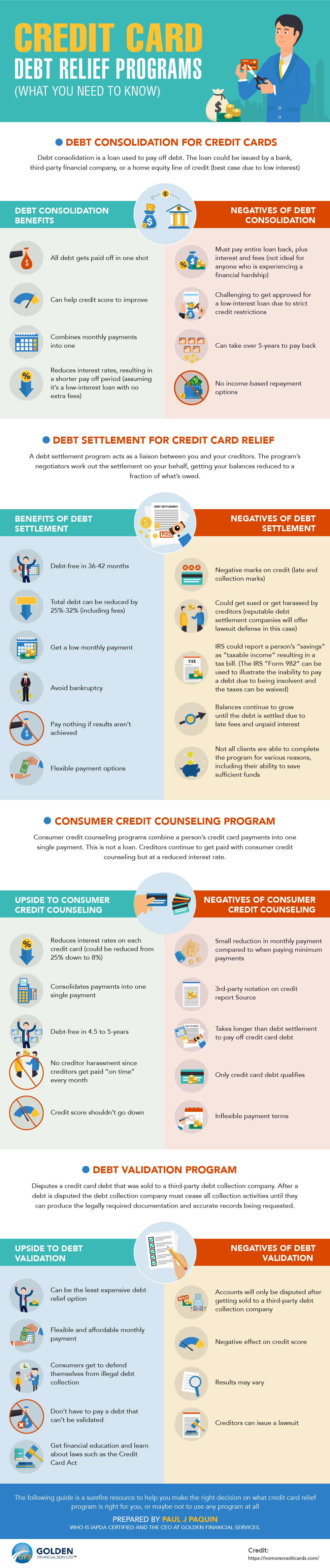
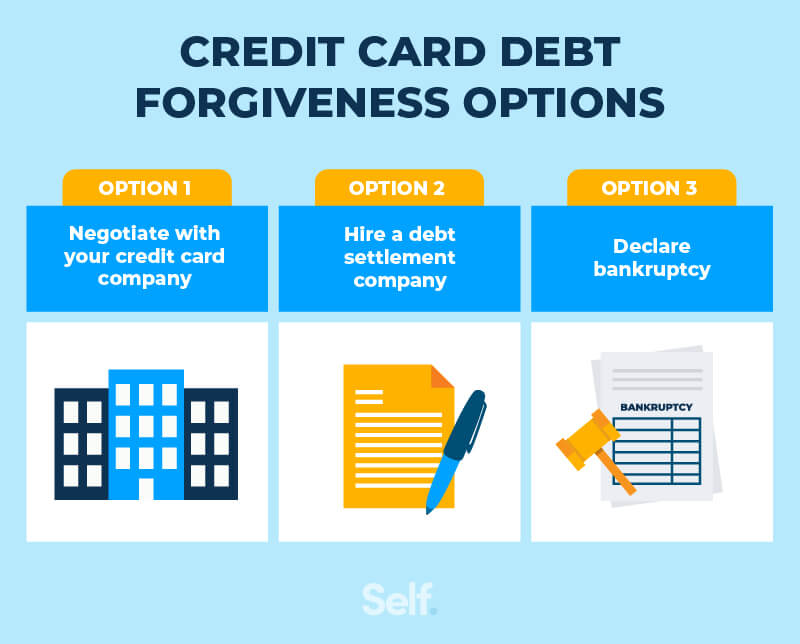
With the mercy program, the financial institution can instead select to maintain your debt on guides and recover 50%-60% of what they are owed. Nonprofit Charge Card Financial obligation Forgiveness and for-profit financial debt negotiation are comparable because they both offer a way to settle credit card debt by paying much less than what is owed.
Charge card forgiveness is created to cost the consumer much less, pay off the financial debt quicker, and have fewer disadvantages than its for-profit equivalent. Some key areas of distinction in between Charge card Financial obligation Forgiveness and for-profit debt settlement are: Bank card Financial obligation Forgiveness programs have relationships with financial institutions that have accepted participate.
Once they do, the payback period begins right away. For-profit financial debt settlement programs discuss with each financial institution, normally over a 2-3-year period, while rate of interest, charges and calls from financial obligation collectors proceed. This implies a larger hit on your credit record and credit rating, and an increasing equilibrium up until negotiation is completed.
Bank Card Debt Mercy clients make 36 equivalent monthly repayments to remove their financial obligation. The settlements go to the lenders up until the agreed-to equilibrium is eliminated. No rate of interest is billed during that period. For-profit financial debt negotiation customers pay into an escrow account over a settlement duration towards a round figure that will certainly be paid to lenders.
Little Known Questions About Government Programs for How Bankruptcy Counseling Helps You Avoid Future Garnishments and Judgments.
During this time, costs might increase, and rate of interest accrues, so settlements might wind up not being budget-friendly for customers. Clients quit making payments to their credit report card accounts. Phone calls from financial debt enthusiasts proceed and creditor-reported non-payments proceed to damage the customer's debt record. Enrollment in a Charge Card Financial obligation Mercy stops phone calls and letters from debt collection and recuperation agencies for the accounts included in the program.
For-profit financial debt negotiation programs don't quit collection actions up until the lump-sum payment is made to the lender. Nonprofit Charge Card Financial debt Mercy programs will certainly tell you in advance what the monthly charge is, topped at $75, or less, depending upon what state you stay in. For-profit financial debt negotiation firms may not be clear about cost quantities, which often are a percent of the balance.
More About "Bankruptcy Ruins Your Life" Exposed
For-profit debt settlement likely will hurt it extra, since you will not be paying financial institutions throughout the 2-3 year negotiation/escrow period, yet they haven't consented to a strategy or obtained any type of cash, so they're still reporting nonpayment. This gets on top of the credit scores rating hit from not paying the total.
Debt loan consolidation also comes with a reduced rate of interest rate than what you were paying on your credit score cards, making the monthly prices, as well as total prices, much less. Bank card debt loan consolidation's most usual types are financial obligation administration strategies, financial debt consolidation car loans, or a zero-interest transfer bank card.
To obtain a financial obligation consolidation finance or a zero-interest balance transfer credit history card, you require a credit report of at least 680. Higher. If your accounts are charged off, your credit history is likely well listed below that. Credit rating rating isn't an element for debt monitoring program, however you need an enough revenue to be able to make a regular monthly repayment that will cover every one of the accounts included in the program.
Bankruptcy is the last option for someone who has more financial debt than they can pay. Nonprofit Bank Card Financial debt Forgiveness won't get rid of almost as much debt as insolvency does, yet it additionally has much less of the durable adverse monetary effect bankruptcy carries. It can be the action you take in order to avoid insolvency.
The Best Guide To Ways APFSC Ensures Legal Compliance
Bankruptcy will eliminate all eligible unsecured financial debt. Credit Report Card Financial obligation Mercy will have a negative effect on your credit rating because complete equilibriums on accounts were not paid.
Charge Card Debt Forgiveness settlements begin as soon as you're accepted right into the program. Personal bankruptcy authorization and discharge can take 6-12 months. Collection activities and suits on Bank card Financial debt Forgiveness clients are stopped when lenders accept the strategy. Declaring for personal bankruptcy triggers an automatic stay on collection activities and suits, and provides defense from harassment by lenders, however if the court doesn't authorize the personal bankruptcy, those will begin up once again.

Table of Contents
Latest Posts
The Best Guide To Chapter 7 Basics and Requirements
A Biased View of Necessary Records for Job Loss and Debt: Building a 90-Day Survival Plan with a Counselor

See This Report about Post-Forgiveness Help and Community Resources
More
Latest Posts
The Best Guide To Chapter 7 Basics and Requirements
A Biased View of Necessary Records for Job Loss and Debt: Building a 90-Day Survival Plan with a Counselor
See This Report about Post-Forgiveness Help and Community Resources